Kyoto, Japan

I’d heard about koyo — autumn foliage season in Japan — for years before I finally managed to time a trip around it. I booked flights in July for a November arrival, which is the only way to guarantee you’ll actually see it. The maples don’t wait.
Arashiyama
My first morning I took the train to Arashiyama, arriving just after 7am to beat the crowds (go early — by 10am it is packed). I walked through the bamboo grove in near-silence, the light filtering green through the towering stalks, then crossed the Togetsukyo bridge with the hills blazing amber behind it. I took about 400 photos and deleted 390 of them because none of them could capture what it actually felt like.
Evenings in Gion
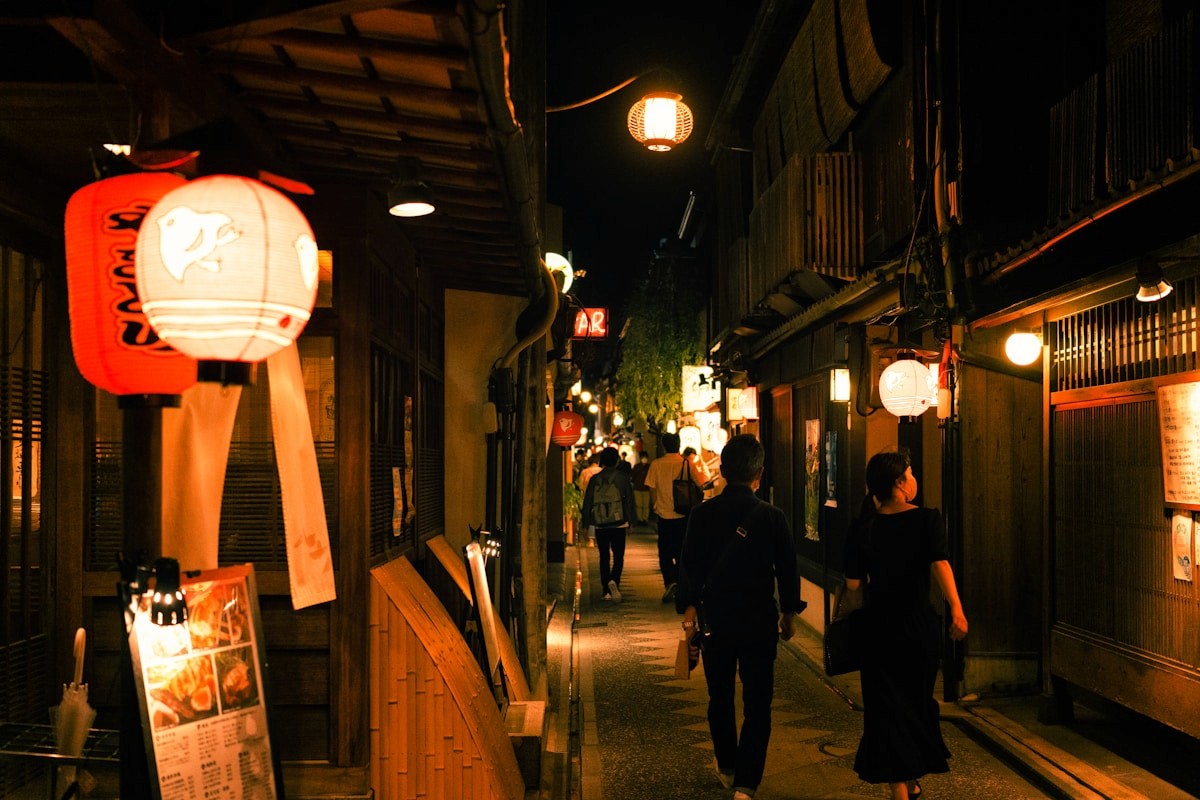
Kyoto’s Gion district transforms at night. The paper lanterns cast warm orange light on the machiya townhouses, the stone-paved alleys are quiet and cinematic, and if you are patient and respectful, you may glimpse a geiko or maiko making her way to an appointment. I sat outside a tiny sake bar on Hanamikoji Street for an hour, nursing a cup of warm junmai, watching the world drift past. It is one of my favourite travel memories.
Temples Worth the Queue
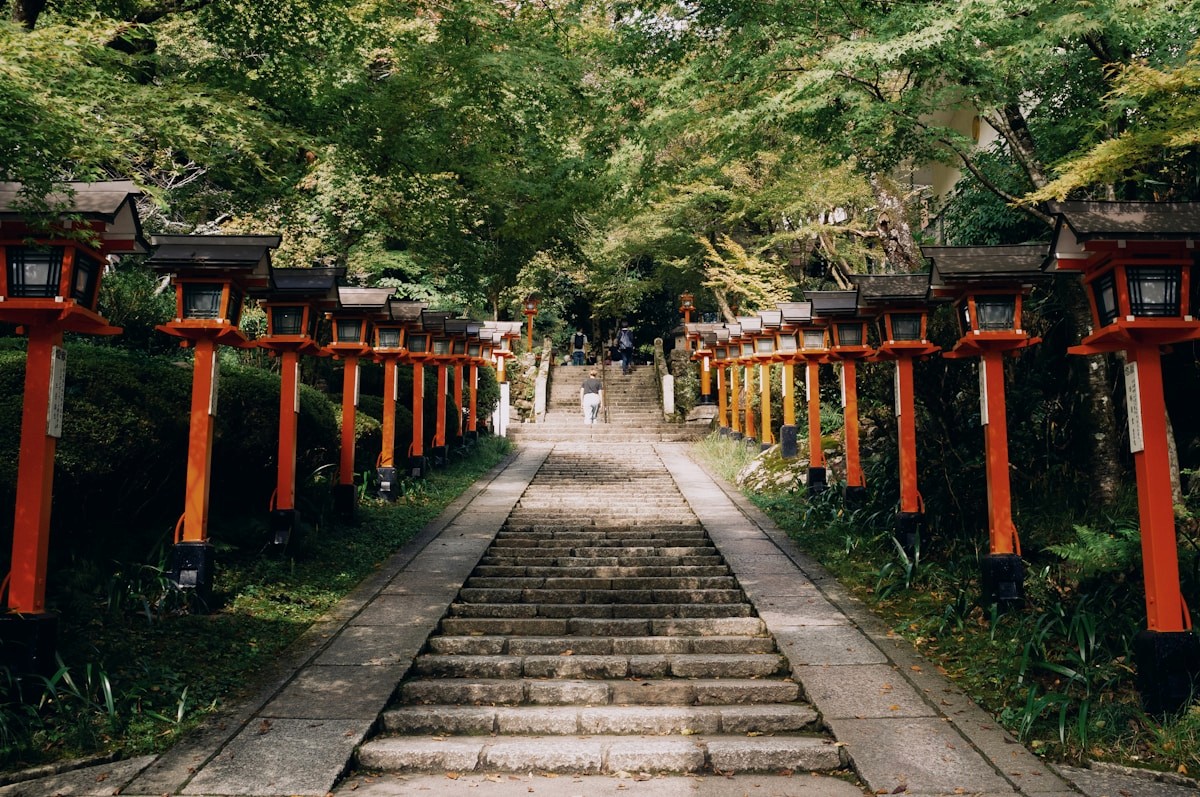
Kinkaku-ji is worth the crowds. Fushimi Inari is worth the crowds and the thousand stairs. Ryoan-ji’s rock garden is best seen first thing in the morning when you can sit in actual silence and let it do what it’s supposed to do: make you stop thinking.
I spent five days in Kyoto and filled three pages of my journal every night. The city is endlessly generous to anyone willing to slow down — to sit with a tea and watch the light shift, to linger at a temple long after the tour groups have gone. Autumn in Japan is not just a season. It’s a fever dream you catch once and spend years trying to recreate.